


Understanding the Recent Changes in UAE Corporate Tax Regulations
The Ministry of Finance (MoF) in the United Arab Emirates has recently enacted significant updates regarding corporate tax regulations. This shift replaces the earlier Ministerial Decision No. 265 of 2023 with the new Ministerial Decision No. 229 of 2025. These revisions aim to clarify the categorization of Qualifying Activities concerning corporate tax obligations, specifically within Free Zones.
Expanded Definition of Qualifying Activities
One of the standout changes in the new decision is the broadened scope of Qualifying Commodity Trading. Previously, the activities classified under this banner were quite limited. Now, industrial chemicals, by-products associated with qualifying commodities, and environmental commodities have been added to the list. This expansion not only opens new avenues for businesses operating in Free Zones but also enhances their capability to participate in various markets.
Insights Into Trading Regulations
The updates notably remove the earlier stipulation that commodities must be traded solely “in raw form.” Under the new regulations, companies can engage in trading a wider array of commodities such as metals, minerals, energy products, and agricultural goods. Crucially, this trading is permissible as long as there is a Quoted Price available for these items, ensuring clarity on pricing standards.
A Quoted Price refers to the value assigned to a qualifying commodity or its associated commodities, as determined by a Recognised Commodity Exchange Market or Price Reporting Agency designated by the Minister. This specification aims to solidify the transparency and integrity of trading practices in the Free Zones.
Clarification on Treasury and Financing Services
The latest rules also provide much-needed clarification on Treasury and financing services, particularly for related parties. The update includes recognition of self-investment within the Qualifying Activity. This consideration applies to both transactions involving related parties and those conducted for the taxpayer’s own account, fostering a more flexible and accommodating legal framework for businesses.
New Decision on Recognised Price Reporting Agencies
Alongside Ministerial Decision No. 229, the MoF has introduced Ministerial Decision No. 230 of 2025, which identifies the Recognised Price Reporting Agencies. This decision aims to provide taxpayers with a clear and reliable framework for applying the updated regulations. By specifying these agencies, the Ministry seeks to eliminate ambiguity and streamline compliance for businesses navigating corporate tax obligations.
Impacts on Goods Distribution
Another notable change relates to the distribution of goods or materials in or from a Designated Zone. Under the new regulations, conducting transactions with public benefit entities is permissible without affecting the de-minimis threshold. This provides businesses additional flexibility to engage in socially beneficial activities while maintaining clarity in their tax obligations.
The Importance of Free Zones
The Ministry of Finance underscores the vital role that Free Zones play in the UAE’s economic landscape. They contribute significantly to investment attraction and economic expansion, aligning with the nation’s strategic objectives for economic diversification. The new regulations not only reflect this commitment but also reinforce the UAE’s dedication to adhering to international tax standards.
According to the Ministry, the updated corporate tax regime, combined with preferential treatment for Qualifying Activities, solidifies the UAE’s status as a premier global hub for business and investment. By fostering a supportive business environment, these changes further the UAE’s sustainable development agenda.
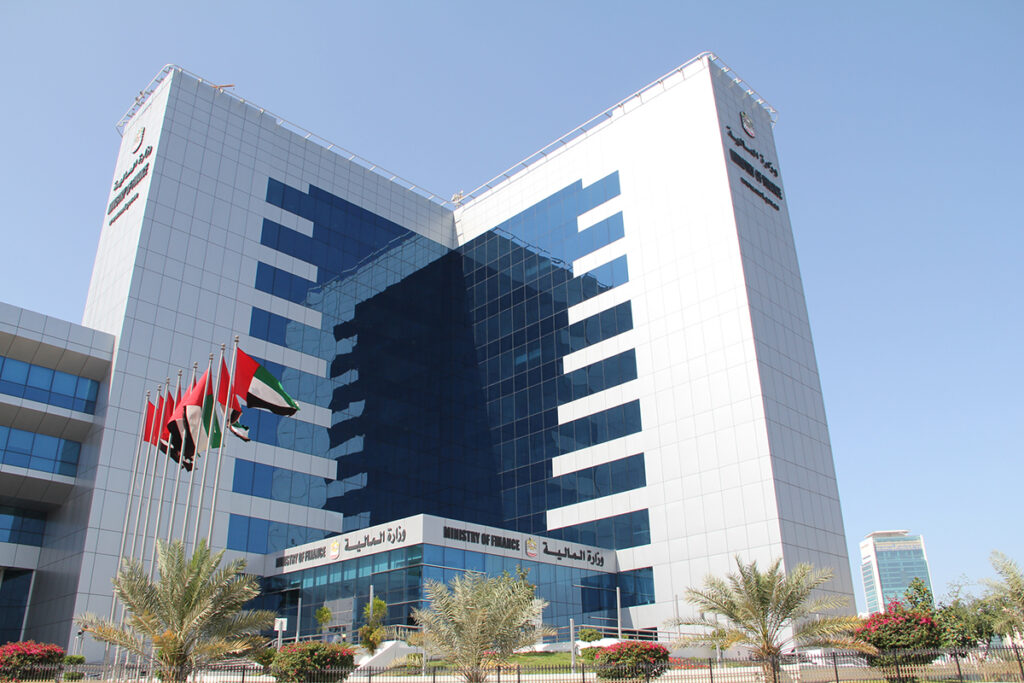
Caption: The Ministerial changes emphasize the importance of Free Zones in the UAE’s economic growth.
Conclusion
The recent changes by the UAE Ministry of Finance signify a pivotal moment for businesses operating within Free Zones. With an expanded definition of Qualifying Activities and improved regulations regarding corporate tax, the updates promise to enhance the investment landscape, enabling companies to thrive in a competitive global market. The clarified rules surrounding trading, treasury services, and recognised pricing agencies provide a robust framework for businesses aiming to capitalize on the unique opportunities presented by the UAE’s tax environment.

