

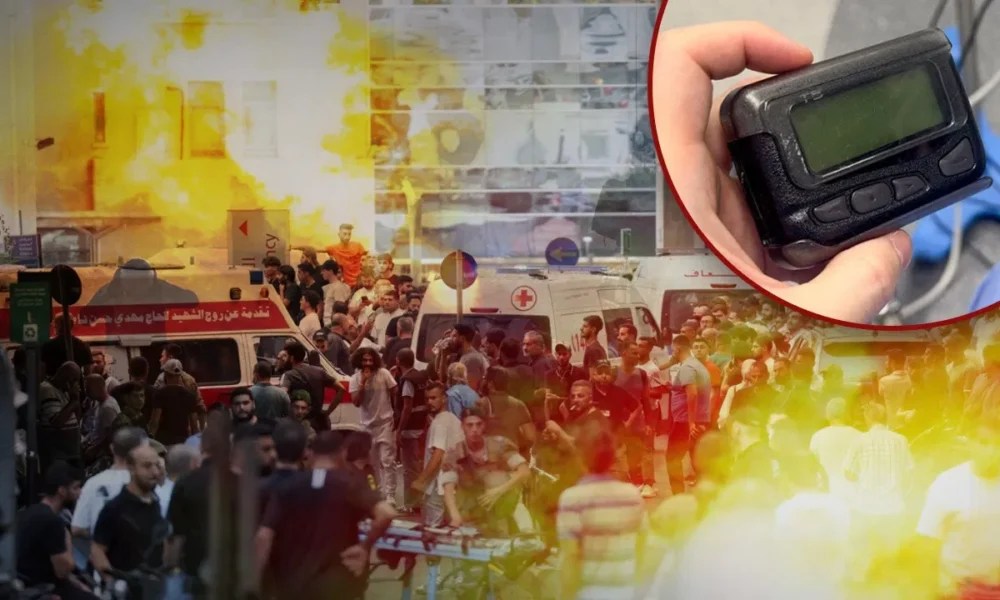
Unprecedented Operation Raises Alarms for Global Aviation Safety
In a stunning display of technological prowess, Israel carried out a mysterious operation earlier today that led to the simultaneous detonation of 3,000 pagers used by Hezbollah. This unprecedented strike not only highlights Israel’s deep infiltration into Hezbollah and Iranian networks but also raises significant concerns regarding aviation security worldwide. Iran had supplied these pagers to Hezbollah just months prior, making the operation a striking blow to its capabilities.
While the motivations behind the attack may seem justified, the implications may resonate far beyond the Middle East. As airlines increasingly integrate in-flight Wi-Fi into their services, questions emerge about the safety of electronic devices onboard. Security experts are now pondering a dire possibility: could a similar signal-based attack be targeted against personal smartphones and tablets during a flight?
With passengers routinely bringing multiple electronic devices onto planes, the idea that such devices could be weaponized mid-flight raises alarms reminiscent of post-9/11 aviation security measures. Previously, travelers faced restrictions on liquids, but as today’s incident illustrates, the threat landscape is evolving rapidly. Could electronic devices pose a greater risk than traditional weapons?
Moreover, if these devices can be triggered while powered off or could overheat at cruising altitude, could this lead to limitations on in-flight connectivity? The potential for disastrous consequences emphasizes the urgency for airlines and regulators to reassess their security protocols. As fears of technological warfare in the skies loom larger, the aviation industry must brace for a possible paradigm shift—challenging travelers’ reliance on electronic devices during flights.
As the dust settles on today’s operation, one thing is clear: global aviation safety may face its most significant challenge since the events of September 11, 2001.


