

Stolen Identities Fueling $1 Billion Medicare Fraud Surge in Florida
Florida has become a significant battleground in the fight against Medicare fraud, with criminals exploiting stolen identities to submit billions in fraudulent claims. This alarming trend has raised concerns among cybersecurity experts and federal authorities alike, as personal data harvested from data breaches and targeted scams is increasingly being weaponized against vulnerable populations, particularly seniors.
Mechanisms of Identity Theft
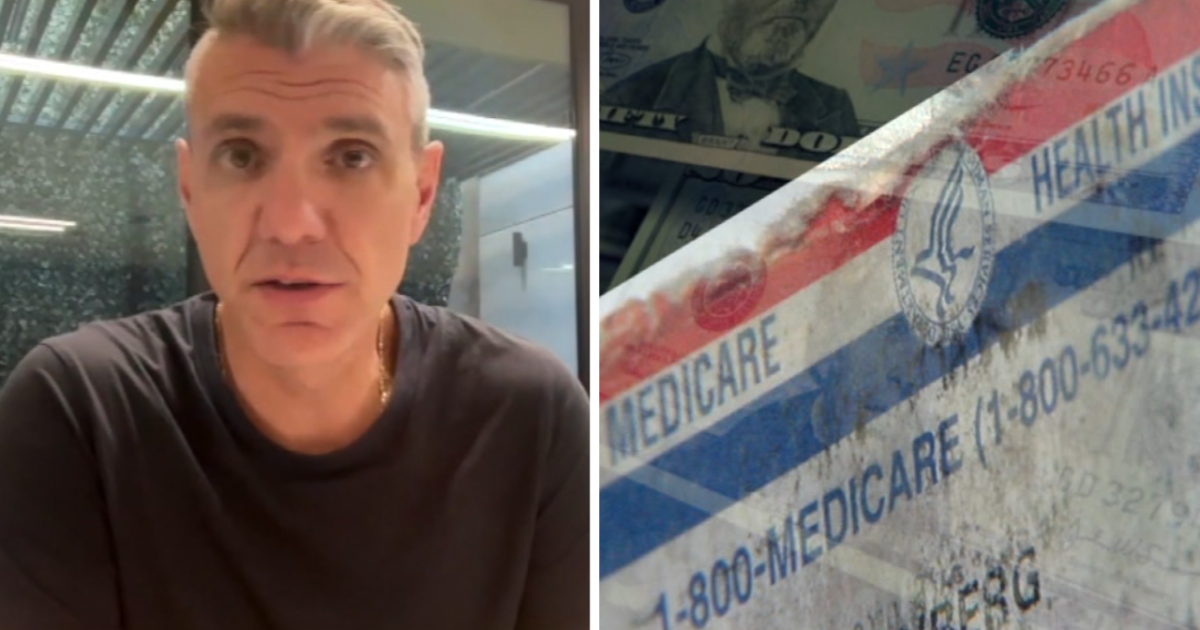
Dr. David Maimon, the director of the Evidence-Based Cybersecurity Research Group at Georgia State University, highlights that the majority of identity theft cases stem from two primary sources: data breaches and direct scams targeting the elderly.
“Identities come from two key sources — the first, data breaches,” Maimon stated. “The second method involves scams targeting seniors directly.” These scams often manifest as fraudulent phone calls or text messages purporting to be from Medicare or government agencies, tricking individuals into divulging sensitive information.
Criminals have also resorted to using postcards to lure seniors into providing their personal information and Medicare ID numbers. This multi-faceted approach underscores the need for heightened vigilance among Medicare recipients.
The Dark Web Marketplace
The dark web has emerged as a thriving marketplace for stolen personal data. Maimon himself received unsolicited text messages from a business he contacted after encountering advertisements for personal data sales online.
Packages of stolen identities are available for as little as $10 each, with bulk purchases offering even lower rates. “If you buy like 1,000 identities, you can get the same deal for like $8,” Maimon noted. This commodification of personal information has serious implications for the integrity of Medicare and the financial well-being of its beneficiaries.
In a recent report titled “How Floridian Identities Are Being Used to Fuel Medicare Fraud,” Maimon detailed the extensive harvesting, sale, and reuse of beneficiary identities. These stolen identities are then used to extract taxpayer dollars at scale, leading to a dramatic increase in fraudulent claims.
Rising Reports of Fraud
The volume of fraudulent claims has surged, particularly in Florida. Maimon has observed a notable uptick in reports from victims who, upon reviewing their Medicare statements, discover transactions that do not belong to them. “We are seeing a dramatic increase in the volume of reports coming from Florida,” he confirmed.
The issue is compounded by the actions of unscrupulous businesses. For instance, Nika Machutatdze, the owner of Sunshine Senior Solutions in Delray Beach, was charged in January with conspiracy to commit money laundering. The allegations state that his companies fraudulently billed Medicare and supplemental insurance for billions of dollars in unnecessary medical supplies.
Data Breaches and Their Consequences
A significant data breach involving the Retina Group of Florida, which operates 20 locations including one in Brooksville, compromised sensitive information for 153,000 patients. This breach has had far-reaching consequences, with individuals’ Medicare accounts being billed for services they never received. Maimon noted that personal information from victims has been used to apply for credit cards, obtain phone lines, and even open new bank accounts.
The medical practice notified affected customers last August and offered credit monitoring and identity theft protection services for a year. However, the damage has already been done, and many victims are left grappling with the fallout.
Federal Response and Challenges
The scale of the problem has overwhelmed federal authorities. Dr. Mehmet Oz, the administrator for the Centers for Medicare and Medicaid Services, has acknowledged the challenges in keeping up with the rampant fraud. “They never even ship out anything to anybody. When they open a bank account, there’s no payroll, there’s no inventory because they’re not real businesses,” Oz explained.
This situation necessitates immediate action and awareness among Medicare recipients. Both Dr. Oz and Maimon urge beneficiaries and their families to regularly check their statements and report any suspicious activity. “Be vigilant about this. Look at statements you get, look at suspicious mail you get to your place,” Maimon advised.
If individuals suspect their Medicare accounts have been fraudulently billed, they are encouraged to call 1-800-Medicare (1-800-633-4227) or report it online using the Office of Inspector General Fraud Reporting Tool.
The ongoing crisis of Medicare fraud fueled by stolen identities underscores the urgent need for enhanced cybersecurity measures and public awareness. As the landscape of fraud continues to evolve, both individuals and institutions must remain vigilant to protect against these pervasive threats.
Source: www.tampabay28.com
Keep reading for the latest cybersecurity developments, threat intelligence and breaking updates from across the Middle East.

